
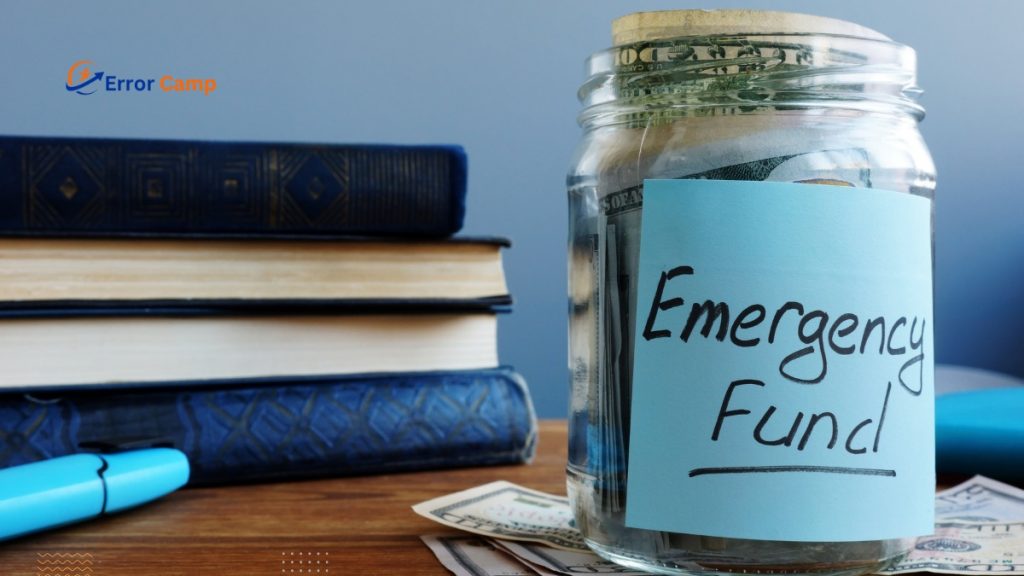
Building an emergency fund is an essential step toward achieving financial stability and being prepared for unexpected costs. Here are ten effective strategies to help you establish a robust emergency fund.
Build a Strong Emergency Fund In 10 Ways:
1. Set a Clear Goal
The first step in creating your emergency fund is to set a specific goal. Calculate how much you need to save by estimating 3-6 months of your essential living expenses. This target will keep you focused and motivated throughout the process.
2. Create and Review Your Budget
Having a clear and detailed budget is crucial for understanding your spending habits and determining how much you can realistically save each month. Take a close look at your income and expenses to find out how much you can comfortably allocate to your emergency fund. Reducing unnecessary expenses can also help you save more.
3. Automate Your Savings
Setting up automatic transfers for your savings makes the process easier and less likely to be overlooked. Arrange for a direct deposit from your checking account to your emergency fund account each month or with every paycheck. This ensures that you save consistently without having to remember to do it manually.
4. Negotiate Bills and Reduce Expenses
Examine your regular bills, such as internet, cell phone, insurance, and other services. Reach out to service providers to negotiate better rates, and consider cutting back on subscriptions or expenses that you don’t need. The money you save can be redirected into your emergency fund.
5. Take on a Side Gig or Work Overtime
If you can, think about picking up a part-time job or putting in extra hours at your current job to boost your income. This additional money can go straight into your emergency fund, helping you reach your savings goal more quickly.
6. Save Windfalls and Unexpected Income
Make the most of windfalls like tax refunds, gifts, or cash back from credit cards to enhance your emergency fund. Since these funds are unexpected, saving them can significantly speed up your savings progress.
7. Try Savings Challenges
Participate in savings challenges, such as the 52-week money challenge, where you save an amount that corresponds to the week number (for instance, $1 in week 1, $2 in week 2, and so on). This approach can help you develop a savings habit and accumulate a substantial amount over time.
8. Sell Unused Items
Clear out your home and sell things you no longer need or use. This can provide a quick cash boost that you can add to your emergency fund. Think about selling items on platforms like eBay or at local flea markets.
9. Optimize Your Savings Account
Select a savings account that offers high-yield interest rates, such as a money market account or a high-yield savings account. These types of accounts allow you to keep your money accessible while earning interest, which helps your savings grow more quickly.
10. Keep Your Fund Accessible but Not Too Accessible
Make sure your emergency fund is in an account that you can easily access in case of an emergency, but not so easily that you might be tempted to dip into it for non-emergency expenses. Consider opening an account at a different bank or avoiding a debit card linked to this account.
Define What Constitutes an Emergency: Clearly outline what expenses are considered emergencies, such as car repairs, medical bills, or loss of income. Make sure not to use your emergency fund for planned purchases or discretionary spending.
Reduce Surprises: Monitor recurring unexpected expenses and include them in your budget. Additionally, consider obtaining insurance to cover significant risks, which can help you avoid tapping into your emergency fund.
Keep Fees Low: Look for savings accounts that have low or no fees to maximize your savings potential. Credit unions and online banks often provide better terms.
By implementing these strategies, you can create a strong emergency fund that offers financial security and peace of mind, enabling you to handle life’s unexpected challenges with confidence.
Also Read: How to Create a Monthly Budget and Actually Stick to It
Frequently Asked Questions (FAQs)
Do you have to save your emergency fund?
Financial experts generally suggest saving three to six months’ worth of living expenses. This amount may vary depending on your personal situation, including job stability and monthly expenses.
Where should you keep your emergency fund?
It’s advisable to store your emergency fund in a high-yield savings account or a money market account. These options provide easy access to your funds while earning some interest.
How can you start building my emergency fund?
Designate a portion of your income to your emergency fund each month. Automating your savings can also help maintain consistency.
Do you need to use your emergency fund?
If you find it necessary to use your emergency fund, aim to replenish it as quickly as possible. Review your budget and adjust your savings plan to restore your fund to its original amount.